
Last Updated 08/25/2026
Mitochondria are tiny structures inside your cells that play an enormous role in keeping your body functioning every day. Often called the “powerhouses of the cell,” mitochondria help convert nutrients from the food you eat into usable cellular energy that supports everything from movement and muscle activity to brain function and the work of your vital organs. Understanding mitochondria function in the body can provide valuable insight into why cellular energy, nutrition, exercise, and overall wellness are so closely connected. When these remarkable structures are functioning properly, they help meet the energy demands of your cells and tissues throughout the body.
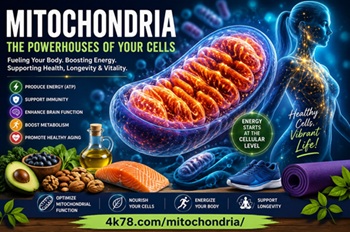
But what happens as we age, change our lifestyle, or experience factors that place greater demands on our cells? Learning about boosting mitochondrial health can help you understand the everyday habits that support healthy cellular function. There is also an important connection between mitochondria and metabolism, as well as growing interest in the relationship between mitochondria and aging. From the foods we consume and the physical activity we engage in to sleep and other lifestyle factors, there are many aspects of daily life worth examining when it comes to supporting these essential cellular powerhouses. Mitochondrial health is just one piece of the larger wellness picture.
Medical Disclaimer: The information provided on this page is for educational and informational purposes only, and is not intended for medical advice, diagnosis, or treatment. The information presented should not be considered a substitute for advice from a qualified physician, registered dietician, or other healthcare professional. Always consult your healthcare provider before making significant changes to your diet, exercise routine, supplements, or other aspects of your health regimen, particularly if you have a medical condition, or take prescription medications. Individual results and responses may vary.
What Are Mitochondria?
Mitochondria are essential cellular organelles found in the cells of most eukaryotes (organisms with cells which contain a membrane-bound nucleus), such as humans, animals, plants, and fungi. Often called “powerhouses of the cell,” because they are responsible for producing most of the energy a cell needs to function. They play a central role in energy production and participate in numerous other cellular processes. [1]
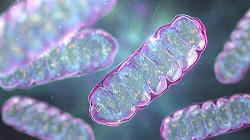
The energy that is produced is called (ATP) adenosine triphosphate. ATP is a molecular fuel that powers everything in your body from your heartbeat to the functioning of your brain. Mitochondrial function is influenced by genetics, aging, nutrition, physical activity, and overall health. Research suggests that healthy lifestyle habits – particularly regular exercise and a nutrient-rich diet – can support normal mitochondrial function and metabolic health, while many supplements and emerging therapies remain areas of ongoing research.
If you’re interested in learning more about nutrition, lifestyle strategies, and other approaches to supporting overall cellular wellness, visit our Biohacking Health Solutions for a Healthier, Smarter, More Vibrant Life: guide.
Mitochondria are found in most human cells. Mature red blood cells are a notable exception because they lose their mitochondria during development. The number of mitochondria varies considerably among different cell types according to their energy requirements. They provide much of the cellular energy needed to support normal physiological processes, including processes involved in maintaining and repairing cells.
Mitochondrial structure and function can change with age. Research has associated aging with alteration in mitochondrial quality, energy production, mitochondrial turnover, and cellular quality-control processes. These changes may contribute to some aspects of age-related decline, although aging is influenced by many biological and lifestyle factors. When we are young we have a great deal of these energy producing agents, which is why children have so much energy. Research suggests the more we age the more ATP generation decreases in our bodies.
From a faith-based perspective, I believe the remarkable design of the human body reflects God’s creation and wisdom. I consider these amazing organelles to be God’s medicine for healing. We were not created to be sick until sin creped in and created chaos within us, our bodies, and all over the world.
Video on the Function of Mitochondria
This very educational video explains in detail the function of the mitochondria. How essential a role it plays inside the cells of our bodies. This video is embedded from YouTube. All rights belong to the original creator. This content is shared for educational and informational purposes only. Take a look:
Video Disclaimer: The following video is provided for informational and educational purposes only. It is not intended to provide medical advice, diagnosis, or treatment. The views expressed in the video belong to the speaker and do not necessarily represent the views of 4k78.com. Please consult a qualified healthcare professional regarding your individual health and dietary needs.
How Does the Mitochondria Function?
Mitochondria are similar to Little Tiny Power Plants
You could think of the mitochondria as little tiny power plants, or cellular powerhouses. Power plants are power stations that transform coal, gas, or even solar energy into electricity. In retrospect, to that they feed off the oxygen and nutrients in your body to produce ATP molecules (adenosine triphosphate).
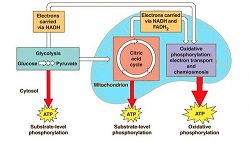
Adenosine triphosphate is the energy currency of the cell to fuel cellular activity. This is the primary function of these power cells is to produce ATP. Just as cars need gas to keep the engine running smoothly, so do our body’s need ATP to function at its optimal best.
Because mitochondria contribute to cellular energy production, researchers are interested in how mitochondrial function relates to energy metabolism, physical performance, brain function, and healthy aging. However, symptoms such as fatigue or brain fog can have many different causes and should not automatically be attributed to mitochondrial dysfunction. And this is where you start to age prematurely. So it is very important for us to get enough oxygen and nutrients that we need to keep ourselves fully charged at all times. We do not want to operate daily in a partially charged body.
The Mitochondrial Functioning Process
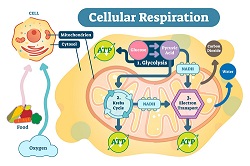
The functioning process of the mitochondria commences at the cytoplasm with glycolysis. This is where glucose is broken down into pyruvate molecules releasing small amounts of ATP – before they enter in.
Here it is broken down even further in the Krebs cycle, generating carbon dioxide and high energy electron carriers NADH and FADH2.
These carriers transfer the electrons while releasing energy used to pump protons across the inner membrane. The accumulation of protons creates an electrical chemical gradient called ATP synthase (an enzyme complex) that harnesses the energy to convert ADP+P into ATP.
Although the primary role of Mitochondria is to produce ATP, they participate in other functions as well, such as:
- Help regulate calcium levels in the cell – crucial for various cellular processes, including muscle contraction and cell signaling.
- Play a significant role in programmed cell death or apoptosis, which is the release of specific proteins that initiate a surge of events that ultimately lead to cell death.
- Generate heat to maintain body temperature. Brown adipose tissue which is abundant in mitochondria is responsible for thermogenesis.
- Maintaining the balance of reactive oxygen species like superoxide O2 and hydrogen peroxide H2O2 reactive oxygen species are by-products of cellular respiration. However excessive amounts can be harmful. See the image to the right depicting the natural process of cellular respiration inside the cell.
- Help regulate reactive oxygen species and protect cells from excessive oxidative stress, which protects the cell from oxidative damage.
- Participate in the metabolism of various molecules beyond glucose. They metabolize fatty acids, amino acids, and other organic compounds to generate energy through processes such as beta oxidation and the citric acid cycle.
- They are involved in the synthesis in steroid hormones especially in the adrenal glands, and gonads. Steroid hormones play crucial roles in regulating various physiological processes throughout your body.
- Contribute to cell signaling by releasing signaling molecules including reactive oxygen species and calcium ions. They communicate with other organelles and influence many cellular processes.
- They have their own DNA which is separate from the nucleus DNA of the cell. They also possess power to repair DNA damage while maintaining the integrity of their own genetic material impaired mitochondrial DNA repair leading to failure to produce sufficient energy that contributes to many diseases.
- Play a major role in regulating the cell cycle specifically in the control of cell division and cell growth. They influence the progression of the cell cycle by modulating the levels of specific signaling molecules involved in cell cycle checkpoints.
- Help to maintain metabolic homeostasis within the cell by coordinating energy production and nutrient utilization. They can sense changes in nutrient availability and adjust their activity accordingly ensuring that the cell’s energy needs are efficiently met.
- Participate in various cellular signaling pathways – including the signaling involved with inflammation, immune responses, and apoptosis. They release signaling molecules and interact with other cellular components to influence the pathways and contribute overall cellular function.
- Involved in the regulation of neurotransmitters in neuron cells. They participate in the synthesis storage and release of neurotransmitters. This is a crucial activity for communication between neurons and overall brain function.
- Plays a significant role in cell differentiation. Undifferentiated cells become specialized cell types during development of a fetus. They contribute to the metabolic alterations and energy requirements that accompany cell differentiation processes. Human Mitochondrial DNA is generally inherited maternally, meaning it is passed from the mother to child. Because mitochondrial DNA follows a different inheritance pattern from nuclear DNA, it has become particularly useful in studies of maternal ancestry and population genetics. Egg cells hold significantly much more of this powerhouse DNA than sperm cells.
- Mitochondrial Function is closely related to aging and longevity. Accumulated mitochondrial DNA damage along with oxidative stress over time can contribute to age related decline. Researchers are studying ways to improve mitochondrial function to slow down the aging process. Research has associated aging with changes in mitochondrial function, mitochondrial quality control, oxidative stress, and mitochondrial dynamics, although the relationship between mitochondrial dysfunction and aging is complex. [1]
- Capability in adapting to environmental changes – like fluctuations in nutrient availability or oxygen levels. They can adjust their metabolic processes and their energy production strategies to optimize cell survival under different conditions.
There are one hundred to thousands of these organelles in one cell. The outer layer is the permeable layer allowing different elements to enter. However, the inner layer is where important biology happens to manufacture ATP.
Endosymbiosis Theory
Our nuclear DNA makes proteins for the energy producing organelles and delivers them for use. It possesses the mechanisms to make new mitochondrial proteins.
What Is the Significance of Mitochondria?
Understanding the significance of mitochondria goes far beyond their well-known role as the “powerhouses of the cell,” These remarkable organelles are involved in producing ATP, regulating cellular processes, supporting metabolism, helping manage oxidative stress, and providing the energy required by tissues throughout the body.

Because virtually every aspect of daily life depends on cellular energy, healthy mitochondrial function can have an important relationship with overall wellness. Let’s take a closer look at several of the key ways these powerful organelles contribute to the body, including energy production, healthy aging, cognitive function, metabolism, and immune system activity.
1. It Is the Essential Producer of Energy
Mitochondria are major contributors to Cellular ATP production, particularly in tissues with high energy demands such as skeletal muscle, heart, and brain. Did you know that every thought, heartbeat, and movement needs energy? Yes, even your thoughts require energy. And your mitochondria is responsible for producing that energy. Therefore, the more ATP that is produced, the better you are with your endurance and stamina.
So, when your energy production declines, you experience brain fog, chronic fatigue, muscle weakness, and moreover, neurodegenerative diseases such as: Alzheimer’s, and Parkinson’s disease.
2. The Benefit of Anti Aging and Longevity
So when your energy production generator is healthy, they don’t just produce energy. They also repair damaged cells, remove toxins in your body, and contribute to maintaining cognitive function (mental clarity and focus), healthy muscle mass, and youthful looking skin. Researchers are investigating that healthy mitochondria is associated with slowing down the aging process as well as providing a longer life span.
It is stated by many researchers that mitochondrial dysfunction is related to cellular aging. When the ATP energy producing power houses decreases the aging process increases.
3. Optimal Cognitive Function and Mental Clarity
Although your brain represents only a small percentage of total body weight, it has substantial energy, requirements and accounts for roughly one-fifth of resting energy expenditure in adults. Mitochondria play an important role in supplying the ATP needed by brain cells. So when your energy generator is functioning strong, you will have clear focus, good memory, and sharp cognitive function. On the other hand, weak energy production is responsible for brain fog (forgetting often), mental fatigue, and those awful mood swings.
If you would like to stay mentally sharp, keep in mind to optimize your mitochondrial function. This can add to the enhancement of memory, learning skills, and problem solving capabilities.
4. Boosting Up your Metabolism and Controlling Your Weight
Your metabolism relies heavily on the production of energy in your body. Mitochondria play an important role in metabolism because they help cells process carbohydrates, fatty acids, and other nutrients to produce usable energy. Mitochondrial metabolism interacts with hormones, nutrient availability, physical activity, and many other biological systems involved in energy balance. Therefore, mitochondrial function is one part of the much larger picture of metabolic health and body-weight regulation.
Do you have a low functioning energy production? What we mean is do you have weight gain due to a slow metabolism. And is it hard for you to lose fat, especially around your abdomen?
5. Strengthens Your Immune System
The immune system requires energy to fight infections, heal wounds, and combat against inflammation. The energy produced by mitochondria aids in immunity of cells producing energy needed to fight bacteria, attack viruses and release toxins from the body.
Mitochondria combined with immunity equals a strong and healthy body.
What Contributes to Mitochondrial Dysfunction?

We need a healthy production of ATP for a healthy quality of life. Mitochondrial Dysfunction creates insulin resistance and vice versa, and can also increase the risk for obesity, metabolic syndrome and cardiovascular disease.
Because excessive sugar consumption can affect metabolism and cellular health, you may also want to read our guide to Excessive Consumption of Sugar Is Bad for You to learn more about how excessive sugar intake can affect the body.
Human life is impossible without these organelles. Trillions of these energy powerhouses create trillions of molecules of ATP every second of your life, whether you are sleeping, working, or watching TV, or at the gym.
Issues that contribute to a damaged mitochondria are as follows
- Unhealthy Diet: Consumption of processed foods, digesting too much sugar, and too much unhealthy fat triggers dysfunctional production of energy.
- Toxins and Air Pollution: Chemicals and toxins in the air, as well as pesticides and plastics used to package and store our drinks and food produce free radicals that are damaging.
- Long Term Stress: When there is chronic stress in the body, it raises cortisol levels. When cortisol levels are high this results in increased anxiety, brain fog, depression, digestive issues, headaches, insomnia, memory loss, pre-diabetes, weakened immune system, and weight gain, all due to decreased mitochondrial efficiency.
- Inactive Lifestyle: If you are always sitting at a desk, not getting any exercise, or are not active, this can lead to a decline in the production of ATP.
- Poor Sleeping Habits: Sleep is very important because cells repair themselves while you are asleep. So, if your sleep is poor, or you suffer from insomnia, this is disruptive to the repair process.
Here Are 5 Ways to Boost Your Mitochondria for Superior Energy and Health
Now that we know mitochondria produces ATP – which is the created energy our bodies need to function properly; it only makes sense to feed our bodies the nutrients (fill up on the gas) necessary to keep functioning at our best.

Think about it, when you fill your car up with a full tank of gas, you will notice the car drives a lot better. However, when it is low on gas you can tell the difference in the way it drives.
This is the same for our bodies. You cannot function properly on low energy. The following are the 5 ways you can keep your gas tank full and continually functioning at optimal energy and healthiness.
Nutrition is another important part of the conversation surrounding cellular wellness. Learn more about the healing power of pomegranates and the nutrients and antioxidants found in this remarkable fruit.
Affiliate Disclosure: Some links on this page may be affiliate links. If you choose to purchase a product or service through one of these links, I may receive a commission at no additional cost to you. I only share products, services, and resources that I believe may be helpful to my readers.
1. Eat the foods mitochondria like and find useful to provide more energy ATP to your cells.
Supercharge your energy production powerhouse with nutrient dense and antioxidant rich foods such as:
- Healthy Fats – Avocados, Coconut Oil, Olive Oil, AND Nuts.
- Avocados:
- Enriched with monounsaturated fats and oleic acid. They reduce oxidative stress, and increase energy production improving mitochondria function.
- Powerful Antioxidants: Contains glutathione, a powerful antioxidant that protects cells from oxidative stress and free radical damage. Helps to maintain function and prevent premature aging.
- Source of Coenzyme Q10: Supply the body with the coenzyme Q10, which is a vital compound in producing ATP. They also protect the membranes from damage.
- Holds Up Mitochondrial Biogenesis: Have polyphenols and carotenoids that help stimulate the production of new ATP generators.
- Decreases Inflammation: Enriched with omega-9 fatty acids, phytochemicals, and vitamin E. Mitochondrial function is more efficient because it decreases inflammation.
- Boost of B vitamins: Their high content of B vitamins (B2, Riboflavin, and B3, Niacin) are essential for ATP energy and metabolism.
- Regulates Blood Sugar: Contain healthy fats and fiber that maintain blood sugar and glucose levels that help to prevent mitochondrial dysfunction linked to insulin resistance.
- Supplies Essential Minerals: Boasts of magnesium and potassium which aids in regulating cellular metabolism, and producing ATP energy.
- Avocados:

- Another food that mitochondria like is coconut oil
- Coconut Oil: The mitochondrial health powerhouse.
- High in medium-chain triglycerides (MCT’s) such as caprylic acid and lauric acid. This quick-use energy goes directly to the liver, which then is converted into ketones. Ketones are beneficial in providing efficient energy to the powerhouse of the cell. Noted as “the preferred fuel“.
- Enhances Mitochondrial Biogenesis: The ketones derived from coconut oil help to stimulate new production of mitochondria which is better for cellular energy and metabolism.
- Decreases Oxidative Stress: The antioxidant properties of coconut oil accommodate the neutralization of free radicals, which in turn reduces oxidative stress that can cause mitochondrial dysfunction.
- Powers Up ATP Production: Improves ATP production, providing more efficiency to healthy cell energy function.
- Lessens Inflammation Flare Ups: Lauric acid and capric acid found in coconut contain strong anti-inflammatory and antimicrobial properties.
- Offers Protection from Mitochondrial Dysfunction: Ketones from coconut oil also support energy producing organelle in the brain, improving cognitive function while protecting against cell degeneration, which may support protection from diseases like Alzheimer’s and Parkinson’s.
- Contributes to Insulin Sensitivity: Aids in regulating insulin and blood sugar levels resulting in the reduction of mitochondrial stress. Helps to maintain optimal ATP production, especially with diabetes.
- Enhances Fat Metabolism: Since the main role for the tiny energy generators is burning fat for energy, the benefit of the MCT’s in coconut oil boosts fat oxidation. This improves metabolic flexibility and endurance.
- Coconut Oil: The mitochondrial health powerhouse.


Coconut is fantastically a good natural source for the enhancement of mitochondrial function including overall health. However, there are many other sources and we continue to discuss those other sources beginning with olive oil.
We have already discussed the best type of olive oil for healthy consumption. If you would like to gain more knowledge of this you may do so in our Seed Oils Are Bad For You article.
- Continuing on with healthy fats:
- Olive Oil: In particular, extra virgin olive oil (EVOO), rich in polyphenols is the best to use. It is perfect for mitochondrial health.
- Enriched in Monounsaturated Fats: Because of its high content of oleic acid, which is responsible for the enhancement of the fluidity and function of the organelle membrane. It leads to cellular efficiency and better energy production.
- Antioxidant Protection: Because extra virgin olive oil (EVOO) is rich in polyphenols, hydroxytyrosol and vitamin E, it provides protection to cell powerhouse organelle against oxidative stress, reducing aging and supporting long life.
- Reduction of Inflammation: The oleocanthal component in olive oil is a natural anti-inflammatory agent to help minimize cellular stress and mitochondria dysfunction.
- Upholds ATP Production: Because olive oil reduces oxidative damage, it allows cellular energy generators to more efficiently produce energy (ATP), causing them to function better overall.
- Boosts Mitochondrial Biogenesis: The polyphenols contributed from olive oil aid in the stimulation of new ATP energy production for increased cellular resilience and higher energy levels.
- Maintains Brain Mitochondria: Olive oil supports cognitive function by protecting the neuronal organelle and minimizing the risk of Alzheimer’s with the reduction of oxidative damage.
- Increases Fat Metabolism: With the promotion of the beta-oxidation of fats by olive oil, this allows the cell’s powerhouse to more efficiently use fat for energy production improving endurance because of better metabolic health.
- Enhances Insulin Sensitivity: Olive oil regulates blood sugar while reducing mitochondrial damage related to diabetes and metabolic disorders.
- Olive Oil: In particular, extra virgin olive oil (EVOO), rich in polyphenols is the best to use. It is perfect for mitochondrial health.


- And last we continue on healthy fats with the various nuts
- Various Nuts: are great superfoods for mitochondria because they provide nutrients for energy production and protection against oxidative stress that help to support mitochondrial function. And the various nuts are:
- WALNUTS:
- Reduce inflammation, and support brain, and mitochondrial function due to their richness of omega 3 fatty acids they contain.
- Contain polyphenols that aid in combating oxidative stress
- High content of Magnesium, which is a fundamental mineral for producing (ATP) energy.
- ALMONDS:
- Their high content of Riboflavin (vitamin B2) is very essential for ATP production of energy.
- Almonds are packed with magnesium which is great for the production of (ATP).
- Provide antioxidants such as vitamin-E that protects the organelle from oxidative stress damage.
- BRAZIL NUTS:
- Boost mitochondrial antioxidant defense because it is one of the richest sources of selenium (a vital mineral that is found in soil and also in certain foods containing the atomic number 34 and symbol Se). Selenium are essential components of selenoproteins (enzymes and proteins that aid in the production of DNA).
- Support the production of the body’s main antioxidant glutathione.
- Aids in the reduction of inflammation and increases energy and metabolism.
- MACADAMIA NUTS:
- Are rich in monounsaturated fats that give support to the mitochondrial membranes.
- Boasts of coenzyme Q10 (CoQ10) which is the essence of energy production by the cell’s powerhouse.
- Because they reduce metabolic stress on the tiny powerhouse generators they help to regulate blood sugar.
- PISTACHIOS:
- Are rich in B vitamins (B1, B2, B6) responsible for supporting the production of ATP energy.
- Their content of polyphenols and carotenoids make them powerful antioxidants aiding in the protection of the cellular energy generator.
- Provide a good wellspring of healthy fats that assist in the maintenance of organelle integrity.
- CASHEWS:
- Copper comes from cashews, which is an essential catalytic agent for energy production enzymes.
- Are also high in magnesium and B vitamins, supporting the production of ATP.
- They contain zinc which is beneficial in the protection against oxidative stress in the mitochondria.
- PECANS:
- Are packed full with polyphenols that carry the duty to combat oxidative stress and improve mitochondrial function.
- Provide a healthy source of monounsaturated fats supporting cellular energy.
- Aid in maintaining blood sugar as well as reducing inflammation.
- WALNUTS:
- Various Nuts: are great superfoods for mitochondria because they provide nutrients for energy production and protection against oxidative stress that help to support mitochondrial function. And the various nuts are:
As you notice all of the nuts above have much in common to help in optimizing mitochondrial function, boosting the production of energy, and protecting against oxidative stress making them great essentials to a healthy diet. However nuts are not the only source that fuels mitochondria. Here are some other sources that fuel this remarkable organelle.

- Foods with High Quality Proteins:
- Grass Fed Beef – A good source for amino acids are found in grass fed beef. You can find a good source of great tasting and healthy beef through our article on “Nutrient Dense Beef is the Answer“.
- Wild Caught Salmon – Enriched with protein and omega-3 fatty acids, makes it beneficial to the heart and brain function.
- Pastured Eggs – Pasture raised chickens are healthier because they contain double the amount of vitamin E and long chain omega-3 fats.
- Leafy Green Vegetables:
- Spinach – Lowers blood pressure by opening up the blood vessels. Increases mitochondrial efficiency.
- Kale – Reduces inflammation and harmonizes gut microbial structure and function.
- Swiss Chard – A vegetable rich in nutrition with an amazing source of vitamin K, which helps to maintain a healthy blood sugar level.
- Eat Berries that are rich in Antioxidants:
- Blueberries – The polyphenols in blueberries reduce oxidative stress in the cell’s powerhouse due to their powerful antioxidants.
- Raspberries – Enhance mitochondrial biogenesis in the skeletal muscle and reduce inflammation.
- Acai Berries – Decrease brain protein damage and lipids. They are high in antioxidants which protect from cell damage.
- Eat herbs and spices that are protective of mitochondria:
- Garlic – Restores cellular energy generator function in many conditions that are stress induced, but only in non-cancerous cells. Regulates blood and reduces the risk of heart attacks. Supports bone health and healthy joints.
- Turmeric – Curcumin, a component of turmeric prevents mitochondrial dysfunction. Slows down cell death by reducing the loss of neurons.
- Ginger – Improves mitochondrial dynamics in skeletal muscle
An article published in the 2022 Review paper compared the effects of many diets on mitochondrial dysfunction in both rodents and humans using 5 different diets.
The 5 different diets are listed below:
- High Fat Diets
- Calorie Restricted Diets
- Ketogenic Diets
- Fasting Diets
- Mediterranean Diets
1. High Fat Diets
Researchers have found that a high fat diet of 30 – 35 percent of calories from fat decreases mitochondrial abundance and contributes to insulin resistance and metabolic disorders. The study resulted in the accumulation of damaged organelle. High fat diets impair mitochondrial function.
2. Calorie Restriction Diets
Defined as 20 – 30 percent reduction in daily calories. Calorie restriction has multiple effects.
- Decreases mitochondrial number
- Decrease mitochondrial enzyme activity
- Increases ATP production
- Reduces Oxidative Stress
- Induces mitophagy, which is a type of autophagy that specifically targets and removes damaged or unnecessary mitochondria to maintain cellular health and integrity in the field of neuroscience (the removal of damaged organelles).
Calorie restriction improves mitochondrial health creating an interconnection of mitochondria that share resources and function efficiently to maintain optimal cellular function.
3. Ketogenic Diets
- Classic Keto Diet
- Modified Atkins Diet
- Medium-Chain Triglyceride Keto Diet – This diet yielded negative and positive effects
- Positive Effects
- Increased mitochondrial number
- Improved mitochondrial function
- Negative Effects
- Significantly increased the risk for prediabetes and type-2 diabetes.
- Reference to impaired mitochondrial biogenesis.
- Increase in cardiac fibrosis which is the scarring of heart tissue, caused from the excessive accumulation of collagen.
- Positive Effects

A ketogenic diet increases insulin resistance and damages mitochondria in the long term. Referenced in the “Mastering Diabetes” book, NY Times best seller by Cyrus Khambatta, PHD, and Bobby Barton, MPH, that it creates a lipid droplet increase in size over time due to an increased availability of lipids in the blood.
That lipid droplet affects the insulin receptor by signaling to the IRS-1 molecule. That oversized lipid droplet negatively impacts the IRS-q molecule which causes the insulin receptor to become less functional, resulting in glucose entering the cell. This causes the Mitochondria to produce free radicals, which causes inflammation in the cell. Ketogenic diets have mixed results.
4. Fasting Diets
The absence of food for 12 or more hours a day. Intermittent fasting:
- Increases mitochondrial number and activity
- Increases mitochondrial fission in skeletal muscle
- Induces a selective degradation of damaged mitochondria
Fasting improves mitochondrial health creating an interconnection for mitochondria that share resources and functions efficiently.
5. Mediterranean Diets
- Increase mitochondrial biogenesis and fusion events
- Increase mitochondrial function in both liver and muscle tissue.
- High phenolic content of the Mediterranean diet is thought to be the main contributor to improved mitochondrial health.
Research suggests that Mediterranean-style dietary patterns may support metabolic and cardiovascular health and may influence pathways related to mitochondrial function. Their emphasis on vegetables, fruits, legumes, whole grains, nuts, olive oil, and other minimally processed foods also provides a wide range of nutrients and polyphenols. However, no single dietary pattern can be considered universally optimal for mitochondrial health.
But research has found it to be the only one that increases all three of the functions.
- Biogenesis
- Mitochondrial Function
- Fusion
These are high polyphenol compounds in the Mediterranean diet. They are a class of antioxidant compounds that have profound effects on human health and are mainly found in:
| Fruits | Vegetables | Whole Grains | Beverages |
| Apples | Asparagus | Amaranth | Tea |
| Bananas | Beets | Barley | Chocolate |
| Blueberries | Bell Peppers | Brown Rice | Wine |
| Cherries | Broccoli | Buckwheat | |
| Cranberries | Brussel Sprouts | Farro | |
| Grapes | Cabbage | Millet | |
| Orange | Carrots | Oats | |
| Papaya | Cauliflower | Quinoa | |
| Pomegranates | Garlic | Teff | |
| Strawberries | Kale | Wild Rice | |
| Watermelons | Mushrooms | ||
| Onions | |||
| Seaweed (Spirulina & Chlorella) | |||
| Spinach | |||
| Sweet Potatoes |
Polyphenols from:
- Soybean (Genslein)
- Cacao Beans (Epicatechin)
- Unions (Quercetin)
- Apples
- Blueberries (Anthocyanins)
- Red Grapes (Resveratrol)
- Cinnamon (Cinnamic Acid, Phenolic acid)
- Coffee Seeds (Chlorogenic acid)
These all have a combined effect of:
- Increasing oxygen consumption
- Increasing mitochondrial function
- Increasing ATP production
2. Get Regular Exercise
Regular physical activity is one of the best-studied lifestyle strategies for stimulating beneficial mitochondria adaptations, particularly in skeletal muscle. Both endurance and interval-based exercise can activate pathways involved in mitochondrial biogenesis and improve the muscle’s capacity to produce energy aerobically. [1]

The participation of extensive movement in exercise helps to stimulate the production of ATP giving us more energy with added movement. So, exercise is crucial to healthy mitochondrial function. Even if you don’t exercise, any kind of movement is best to create energy rather than just being sedentary.
Three basic types of exercise to increase mitochondrial function are:
- HIIT – High Intensity Interval Training:
- Burpees
- Hand Release Push-Ups
- Jumping Rope
- Mountain Climbing
- Running
- Cardiovascular Workouts:
- Brisk Walking
- Cycling
- Rowing
- Running
- Swimming
- Tennis
- Resistance Training and Yoga Sessions
- Back Rows
- Bicep Curls
- Free Weights
- Lateral Shoulder Raises
- Triceps Presses
There Are Three Types of Muscle in Your Body
Muscle fiber types differ in their mitochondrial density and metabolic characteristics. Oxidative muscle fibers generally contain greater mitochondrial content and rely more heavily on aerobic metabolism than highly glycolytic fibers.
- 1. White Muscle – The lowest mitochondrial density, relying on glucose for ATP production.
- 2. Mixed Muscle – Contains a medium level of mitochondria density, relying on both glucose and fatty acids to make ATP.
- 3. Red Muscle – Contains the highest level of mitochondrial density, relying primarily on fatty acids to produce ATP.
There Are 2 Locations Where Mitochondria Are Found in Each Cell.
- Intermyofibrillar mitochondria are found deep inside the muscle fiber used mainly for muscle contraction.
- Subsarcolemmal mitochondria located close to the muscle fiber membrane responsible for fuel oxidation and insulin signaling.
Article published in January of 2005 on a study showing the deficiency of subsarcolemmal mitochondria in obesity and type 2 Diabetes by Vladimir B. Ritov, Elizabeth V. Menshikova, Robert E. Ferrell, Bret N. Goodpaster, and David T. Kelly
In this study scientists found that the function of mitochondria closest to the muscle cell surface were responsible for insulin signaling. They were greatly reduced in subjects with type 2 Diabetes, and 7 times more reduced in comparison with lean subjects. They also found that mitochondria was significantly reduced in subjects with diabetes and obesity, indicating both structural and functional defects. They additionally found that there are many ways to stimulate the production of new mitochondria. [5]
- Hypoxia – Oxygen deprivation can occur from high altitudes or from exercise.
- Food – Four foods with the strongest impact on producing cellular energy generators.
- Thyroid Hormone – A powerful inducer of mitochondria.
- Cold Exposure – Can stimulate the production of new mitochondria specifically in brown adipose tissue to produce more heat to raise body temperature.
3. Support Mitochondrial Health With Healthy Light Exposure
Light interacts with the body in complex ways, and researchers continue to study how different wavelengths may influence mitochondrial activity, cellular signaling, and other biological processes. Natural daylight is particularly important for maintaining healthy circadian rhythms, which influence sleep, wakefulness, hormone regulation, and other aspects of normal physiology.

There is also a growing interest in red and near-infrared light therapy, commonly referred to as photobiomodulation. Researchers are investigating whether specific wavelengths of red and near-infrared light can influence mitochondrial activity and cellular responses. Some studies have reported potential benefits involving energy metabolism, oxidative stress, inflammation, and tissue recovery, although results can vary depending on the wave length, intensity, treatment duration, and condition being studied.
The proposed connection to mitochondria is particularly interesting because certain wavelengths of red and near-infrared light can interact with cellular components involved in energy metabolism. Researchers have proposed that these interactions may influence signaling pathways associated with mitochondrial function and cellular energy production. However, photobiomodulation is an active area of research, and it should not be presented as a proven treatment for mitochondrial dysfunction or disease.
For everyday wellness, the practical takeaway is simple: healthy exposure to natural daylight, consistent sleep-wake patterns, regular physical activity, and other healthy lifestyle habits all work together to support normal cellular function. Red-light therapy may eventually prove useful for specific applications, but additional high-quality human research is needed to determine when, how, and for whom it provides meaningful benefits.
4. Take Supplements That Support Mitochondria
Certain vitamins, minerals, and naturally occurring compounds play important roles in the processes involved in cellular energy production and mitochondrial function. While a balanced, nutrient-rich diet should be the foundation of good nutrition, some supplements are often researched for their potential role in supporting mitochondrial health, antioxidant defenses, and normal energy metabolism. The following nutrients and compounds are commonly discussed in connection with mitochondria function in the body and cellular energy production. Keep in mind that individual needs vary, and supplements should complement -not replace- a healthy diet and lifestyle.
- Coenzyme Q10 (CoQ10): A naturally occurring compound involved in the mitochondrial electron transport chain and cellular energy production.
- NAD+ and Resveratrol: Both have been extensively studied in relation to cellular metabolism, aging, and mitochondrial function, but evidence that supplementation produces meaningful longevity or mitochondrial-repair benefits in humans remains limited and mixed. If you are interested, here is an excellent source for Resveratrol in this product Reserve. [3]
- PQQ Pyrroloquinoline Quinone: Enhances the advancement of new ATP generators.
- Alpha Lipoic Acid: Provides protection to mitochondria from oxidative stress.
- Magnesium: Necessary for ATP energy production.
Supplement Disclaimer: Dietary Supplements are not intended to diagnose, treat, cure, or prevent any disease. Before using a dietary supplement, consult your healthcare professional, especially if you are pregnant, nursing, taking medications, or have an existing health condition.
5. Refine Your Sleep and Stress Management
Quality sleep and effective stress management are important parts of supporting mitochondria function in the body and maintaining overall cellular health. Your body uses periods of rest to carry out essential maintenance and recovery processes, while ongoing stress can place additional demands on many systems throughout the body.

Establishing consistent sleep habits, allowing adequate time for rest, and incorporating healthy stress-management practices can help create an environment that supports mitochondrial health, energy metabolism, and overall well-being. Consider these simple habits as part of your broader approach to boosting mitochondrial health.
- New mitochondria is produced while you are sleeping. Therefore getting a good night’s rest every night for 7 – 9 hours of deep quality sleep is ideal.
- Deep breathing exercises and stress elimination techniques have abilities to enhance energy production and prevent mitochondrial dysfunction.
Here Are 4 Foods to Help Produce New Mitochondria
The body contains trillions of mitochondria in all tissue, however not in your red blood cells. Blood glucose levels and mitochondria are deeply connected. Below we will discuss the four foods that play a role in helping the body to produce new mitochondria.
1. Soybeans
A compound – genistein is found in soybeans that have powerful effects in increasing insulin sensitivity in the muscle of obese subjects. An experiment was performed dividing obese and insulin resistant subjects into one of 2 groups.
Group 1. The Placebo Group
They received an inert substance with no active ingredients.
Group 2. The Treatment Group
They received a daily supplement containing 50Mg of genistein for 60 days equivalent to eating 1/4 pound of soybeans per day.
They found that genistein also increases AMPK phosphorylation and mitochondrial abundance in the muscle of obese subjects. Genistein increased mitochondrial biogenesis independent of any other variable. Further, these subjects were given an OGTT (oral glucose tolerance test) at baseline and after 60 days of genistein supplementation. In normal glucose tolerance test subjects are to drink sugary beverages containing about 75 grams of glucose in water. Then their blood and glucose insulin concentrations are measured at different intervals. The higher the glucose and insulin, the more insulin resistance is present. The lower the glucose, the more insulin sensitive the patient was.
Genistein supplementation did not change the blood glucose values of subjects before or after the 60 day experiment. However, 60 days of genistein supplementation reduced insulin concentrations by 19.4 percent. This indicated that they required about 19.4 percent less insulin to metabolize the same amount of glucose. They also found that genistein supplementation increased the amount of fatty acid oxidation happening in muscle tissue, suggesting there is an increase in the breakdown of fatty acid known as beta oxidation. Also found in the experiment a decrease in triglycerides. Muscle mitochondria loves soybeans, mainly the polyphenol found in soybeans readily accessible in the grocery stores.
2. Cacao Beans
Cacao beans have powerful bioactive properties. They also contain a polyphenol found in the cacao plant. It favorably impacts the mitochondria in both normal and pathological conditions. In a study where 20 normal sedentary subjects were approximately in their 50’s. Half were given a placebo and the other half, dark chocolate for 3 months.

Subjects underwent before and after treatment. Part of the testing was on a bicycle VO2max, one of the most aching and challenging exercise tests. They found that 3 months of cacao supplements increased VO2max by 2.8 milliliters per kilograms per minute, a sizable increase in VO2.
Data shows that even trained athletes can generally increase their VO2max by 10 – 15 percent. That’s a 12 percent increase over 3 months. They also found that the master regulators of mitochondrial biogenesis or the formation of new mitochondria PGC1a was significantly increased in dark chocolate fed subjects, suggesting that improved exercise performance was made possible by increased mitochondria function in muscle tissue. Mitochondria in the quadriceps muscle of these subjects increased in number as a result of eating 2 – 3 squares of a Hershey bar containing 100 calories for 3 months.
3. Resveratrol
Resveratrol is a polyphenol found naturally in foods such as grapes. It has been studied for its potential effects on glucose metabolism, insulin sensitivity, inflammation, and mitochondrial function. Some human studies and meta-analysis have reported potentially beneficial effects, but findings have been inconsistent, and resveratrol should not be considered a cure for obesity or type 2 diabetes. More research is needed to determine its long-term benefits and appropriate use in humans.
However, human studies have revealed that Resveratrol supplementation significantly redes fasting glucose, insulin, glycated hemoglobin, and insulin resistance levels in patients with type-2 diabetes and promotes an increase in mitochondrial function in the skeletal muscle, reducing the risk to develop type-2 diabetes after the consumption of 150 mg/Kg/d of Resveratrol for 30 days. [3]
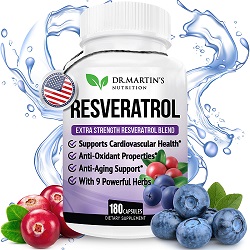
Several health benefits are also attributed to the consumption of Resveratrol including a reduction in body weight, body mass index (BMI), waist circumference (WC), and fat mass, and a significant increase in lean mass, all of them suggesting an induction in mitochondrial activity. You would have to consume about 10,000 mg of grapes per day to get enough of this polyphenol. One cup of red table grapes contain .25 mg and 1.25 mg of Resveratrol, which means you would have to eat 13,000 cups of grapes everyday. And that’s just impossible.
Administering a daily dose of a human weighing about 70 kilograms with a 100mg per 1 gram per day of Resveratrol would require 2.7 kg of Resveratrol per year, which would cost about $6,800. Resveratrol is a very powerful substance when taken in high concentrations, but since you cannot get enough from food, you are better off taking a supplement. If you can find one that’s affordable and high quality. Fortunately, you can find this very supplement here.
4. Nitrate Rich Vegetables
Nitrate-rich vegetables provide naturally occurring compounds that the body can convert into nitric oxide, which plays a role in healthy blood flow and oxygen delivery. Vegetables such as beets, spinach, arugula, and Swiss chard can be a nutritious addition to a balanced diet and may support mitochondrial function and overall metabolic health.
Below is a list of nitrate-rich foods:
- Beets
- Spinach
- Arugula
- Swiss Chard
- Celery
- Green Lettuce
All of these are rich in nitrate compounds. There are 2 ways in which they improve athletic performance.
- Dilating blood vessels increases the amount of oxygen that is delivered to tissues.
- Directly increasing mitochondrial function.

Hardly anyone is talking about this. When you consume dietary nitrate the nitrate compounds are reduced from nitrate to nitrite by oral bacteria inside of your mouth. The nitrite compounds get into your stomach, then taken into the blood. Then 25 percent of them are reabsorbed back into your mouth for a second round of digestion, known as salivary recycling. The rest of the nitrite molecules that have made it into your blood serve as a building block for nitric oxide, which is a very powerful gas that promotes vessel dilation or the increase in the circumference of blood vessels.
Nitrate Supplementation:
- Decreases blood pressure by dilating blood vessels.
- Lowers pressure in the blood vessel and delivers more oxygen.
- Increases work output so you can actually perform more.
- Increases oxygen delivery to tissues.
- Reduces whole body oxygen consumption during exercise, meaning you can work more for less oxygen.
If you eat 1/2 pound of beets you would get about 5 millimole (mmol) of nitrate per day, which is the minimum amount necessary according to research. Beets and other nitrate-rich vegetables can be incorporated into a balanced diet. The amount needed to produce a physiological effect varies depending on the food, nitrate concentration, individual characteristics, and the purpose of consumption. Nitrate-rich vegetables such as beets, spinach, arugula, and Swiss chard provide dietary nitrate, which the body can convert through the nitrate-nitrite-nitric oxide pathway. Research suggests dietary nitrate may improve certain aspects of exercise efficiency and, under some conditions, mitochondrial efficiency. Effects on blood pressure and exercise performance can vary among individuals, and should not be considered guaranteed.
Studies have shown that taken together these results suggest that the nitrate induced increase in ATP production efficiency can be explained by reduced leakage/slippage of protons across the inner organelle membrane. It makes mitochondria more efficient. [2]
The fact that the relatively short term dietary regimen can influence expression of important mitochondrial proteins may have a profound impact on exercise physiology. Research suggests that dietary nitrate may reduce the oxygen cost of certain types of exercise and may influence skeletal-muscle energy efficiency. However, the effects can vary depending on the individual, exercise protocol, and nitrate intake.
Surprisingly in the study, a 19 percent increase was found in P/O ratio after nitrate supplementation. [5] To our knowledge, there are no other dietary regimes described that have this affect, Intriguingly, there was a strong correlation between the reduction in whole-body oxygen consumption during cycling and the increase in P/O ratio, which clearly suggests that a large part of the improved exercise efficiently is taking place in the mitochondrial level.
Frequently Asked Questions About Mitochondria
- Q: What are Mitochondria?
- A: Mitochondria are specialized structures, known as organelles, found inside most human cells. They are commonly called the “powerhouses of the cell” because they play a central role in producing ATP, the molecule cells use to power many essential processes. Mitochondria also participate in metabolism, calcium regulation, cellular signaling, and programmed cell death.
- Q: What is the Function of Mitochondria in the Body?
- A: The mitochondria function in the body extends beyond producing cellular energy. Mitochondria help convert nutrients into ATP, metabolize carbohydrates and fats, regulate certain cellular signals, help manage reactive oxygen species, and contribute to processes involved in maintaining healthy cells. Tissues with high energy requirements such as the brain and muscles, rely heavily on mitochondrial activity.
- Q: How Do Mitochondria Produce Energy?
- A: Mitochondria help produce ATP through a series of metabolic processes. Nutrients are broken down and their energy is transferred through pathways including the citric acid cycle and the electron transport chain. Oxygen plays an important role in the final stages of this process, helping mitochondria generate ATP that cells can use for energy.
- Q: Why Are Mitochondria Important for Energy?
- A: Virtually every cell in the body requires energy to perform its normal functions. ATP produced through mitochondrial activity provides processes for energy such as muscle contraction, cellular transport, signaling, and many other biological activities. Because different tissues have different energy demands, mitochondrial function is particularly important in organs and tissues that require substantial amounts of energy.
- Q: What Can Affect Mitochondrial Health?
- A: Many factors can influence mitochondrial function including nutrition, physical activity, sleep, aging, environmental exposures, and overall metabolic health. Chronic health conditions can also affect mitochondrial function. Supporting overall health through nutritious eating, regular physical activity, adequate sleep, and healthy stress management can contribute to a lifestyle that supports normal cellular and mitochondrial function.
- Q: How Can You Support or Boost Mitochondrial Health?
- A: Boosting mitochondrial health is best approached as part of an overall healthy lifestyle rather than through one particular food or supplement. Regular physical activity, nutrient-dense diet, adequate sleep, stress management, and avoiding tobacco and excessive alcohol can all contribute to overall health and normal cellular function. Some nutrients and supplements are also being studied for their potential effects on mitochondrial processes.
- Q: What Is the Connection Between Mitochondria and Metabolism?
- A: The relationship between mitochondria and metabolism is very important because mitochondria help convert nutrients from carbohydrates, fats, and proteins into usable energy. They also participate in metabolic pathways that determine how nutrients are processed and utilized by cells. Healthy metabolic function depends on many interconnected systems, so mitochondria are one important part of the larger picture.
- Q: Do Mitochondria Change as We Age?
- A: Research indicates that mitochondrial structure and function can change with age. Scientists are studying how factors such as oxidative stress , changes in mitochondrial DNA, alterations in energy production, and cellular quality-control processes may contribute to age-related changes. The relationship between mitochondria and aging is complex, and researchers continue to investigate ways to support healthy mitochondrial function throughout life.
- Q: Can Exercise Support Mitochondrial Health?
- A: Yes. Regular physical activity is strongly associated with beneficial adaptations in mitochondrial function, particularly in skeletal muscle. Activities such as walking, cycling, swimming, aerobic exercise and resistance training can encourage the body to adapt to increased energy demands. The appropriate type and intensity of exercise depends on an individual’s fitness level, age, and health status.
- Q: Can Food and Supplements Support Mitochondrial Function?
- A: A balanced diet provides the vitamins, minerals, fatty acids, amino acids, and other nutrients required for normal cellular metabolism. Foods such as vegetables, fruits, whole grains, nuts, seeds, legumes, and quality protein sources can contribute to a nutrient-rich eating pattern. Compounds such as CoQ10, magnesium, and certain polyphenols have also been studied in relation to mitochondrial processes. However, supplements are not a substitute for a balanced diet, and individual supplementation needs can vary.
My Conclusion Summary
Mitochondria are major contributors to ATP production in your body, particularly in tissues with high energy demands such as skeletal muscle, heart, and brain. However, they are not found in blood vessels. The dysfunction of mitochondria is associated with insulin resistance, prediabetes, type-2 diabetes, and heart disease. Foods containing phenolic and polyphenolic compounds can increase mitochondrial Function and number. Nitrate rich vegetables directly improve mitochondrial efficiency, which reduces whole-body oxygen consumption and lowers blood pressure.
Four nutritional areas being studied for mitochondrial support include: (Recap)
- Soybeans – need just 4oz per day
- Cacao Beans – Two dark chocolate squares per day is all you need. Try “Cacao Nilos;” they don’t contain any added sugar or dairy products.
- Resveratrol – Find an affordable supplement to get enough.
- All Nitrate Rich Vegetables – Beets are best because they are easy to find and are available all year long. They are inexpensive and extremely versatile. Take 1/2 pound 2 – 3 hours before exercise or 1/2 pound per day to feel associated with feeling super human at all times.
Eat a minimum of one serving of these foods everyday, or you can eat two servings per day.
I hope this information is very helpful to you. While doing my research, I have learned quite a bit myself. It is very interesting to know what feeds and fuels the body to function and operate at its best. And realizing how our natural energy is produced and what foods are helpful in making us feel better, healthier and stronger has opened my eyes to live a better and more healthier productive lifestyle. If you have gotten this far to still be reading this part then I say to you thank you very much for staying with me and learning the essentials of the energy in the body. God bless you and keep you.
Supporting Mitochondrial Health for Energy and Healthy Aging
Understanding mitochondria gives us a fascinating look at the microscopic structures working inside our cells every moment of the day. From producing ATP and supporting cellular energy to helping regulate metabolism and other essential cellular processes, mitochondria function in the body is fundamental to life. Although mitochondrial function can be influenced by many factors including nutrition, physical activity, sleep, stress, and aging, adapting healthy lifestyle habits can help support overall cellular wellness.
When it comes to boosting mitochondrial health, there is no single food, supplement, or lifestyle practice that does everything. Instead a balanced approach that includes nutrient-rich foods, regular movement, restorative sleep, and healthy stress management can provide meaningful support. The relationship between mitochondria and metabolism and the connection between mitochondria and aging continue to be important areas of scientific research. By learning more about these remarkable cellular powerhouses and caring for your body as a whole, you can make more informed choices that support energy, vitality, and healthy living.
Topics Covered: mitochondria • mitochondria function in the body • boosting mitochondrial health • mitochondria and metabolism • mitochondria and aging
Research Sources:
1. Abrego-Guandique DM, et al. The impact of exercise on mitochondrial biogenesis in skeletal muscle: A systematic review and meta-analysis of randomized trials. Biomolecules Concepts. 2025. View the PubMed study
2. Larsen FJ, et al. Dietary inorganic nitrate improves mitochondrial efficiency in humans. Cell Metabolism. 2011. View the PubMed study
3. Resveratrol supplementation and type 2 diabetes: a systematic review and meta-analysis. View the PubMed study
[4] The 2011 human randomized crossover study specifically examined dietary nitrate and mitochondrial efficiency and reported improved oxidative phosphorylation efficiency.
5. The Deficiency of Subsarcolemmal Mitochondria in Obesity and Type 2 Diabetes. View the PubMed study.
Related Topics:
- Ageless Beauty Essentials for Women Over 40 for Cellular Wellness, Longevity, and Vitality
- Biohacking Health Solutions for a Healthier, Smarter, More Vibrant Life
- Nutrient Dense Beef Is the Answer
- Reserve by Jeunesse Reserve Vitality
- Seed Oils Are Bad For You
- The Pomegranate and Its Multiple Amazing Healing Qualities
Brought to you by: 4k78.com – A Treasure Trove of Incredible Online Finds